LifeCheck
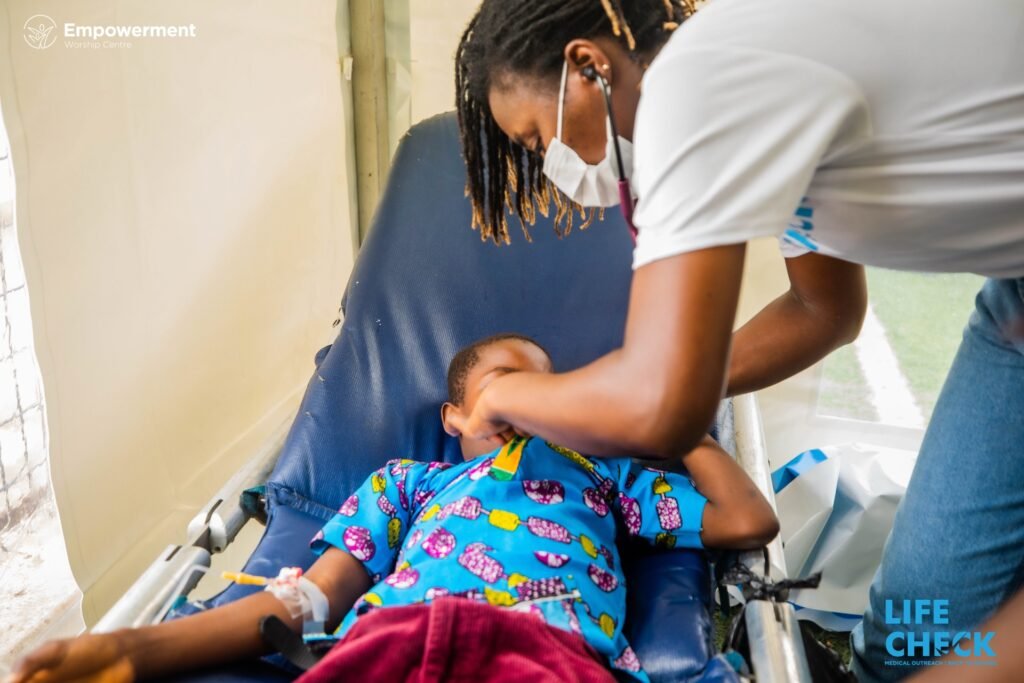
A nurse listening to a child's chest with a stethoscope

Refer & Follow Up

Care Doesn’t Stop When The Tents Come Down

Every LifeCheck screening is a starting point, not an endpoint. Cases that need more than a one-day check are referred on, and NHIS registration on-site helps people keep affording that care afterwards.

The Pathway

What Happens After A Screening

Screening a crowd is only useful if the people who need more help actually get it. Here’s the pathway LifeCheck follows for every case flagged on the day.

1

Screen & flag

Vitals, eye, dental and lab checks at the outreach identify cases that need attention beyond what an on-site tent can offer.

2

Register for NHIS

Our team helps unregistered attendees sign up for the National Health Insurance Scheme on-site, so cost isn’t the reason follow-up care doesn’t happen.

3

Refer to a facility

Flagged cases, from minor surgical needs to conditions requiring specialist review, are directed to a hospital or clinic for the next step of care.

4

Stay reachable

The LifeCheck team remains contactable after the event for anyone who needs help understanding their referral or has a question about what was found.

Why It Matters

A Check-Up Is Only Half The Job

A free screening that ends the moment the tents come down helps for a day. LifeCheck is built to run every year precisely so that referral and follow-up aren’t an afterthought. NHIS registration, a clear referral, and a team that’s still reachable afterwards are as much a part of the programme as the check-up itself.

  • On-site NHIS registration for attendees without cover
  • Referral to a hospital or clinic for cases needing further care
  • A LifeCheck contact point for questions after the event
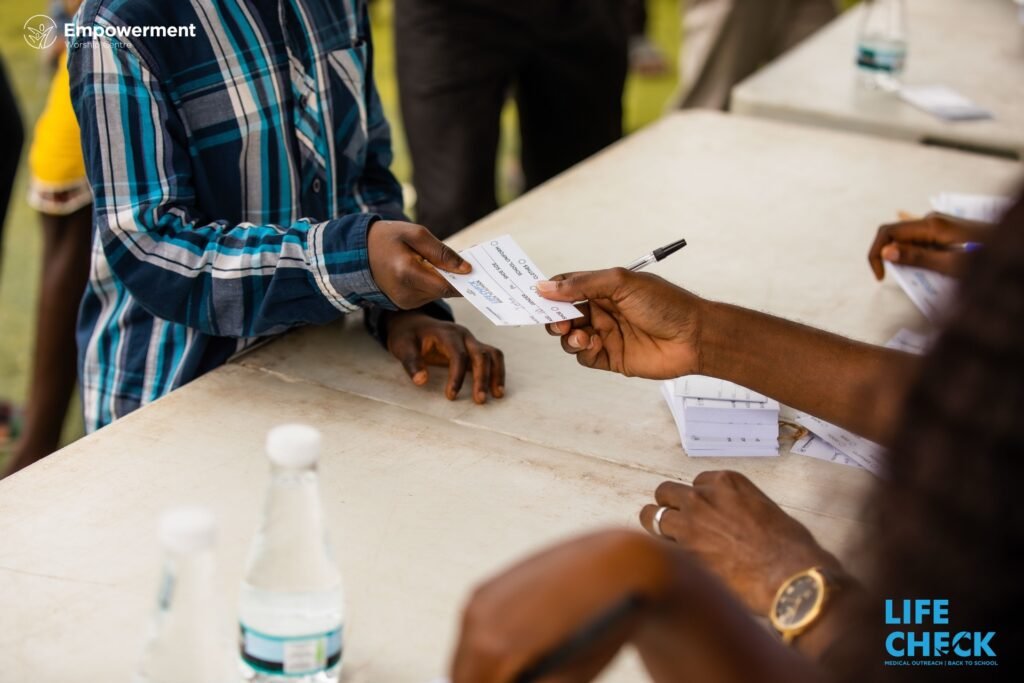
Hands exchanging a filled LifeCheck registration card

Get In Touch

Have A Referral Or A Follow-Up Question?

If you attended a LifeCheck outreach and have a question about a referral, or you’re a partner facility following up on a case, reach the team directly.